
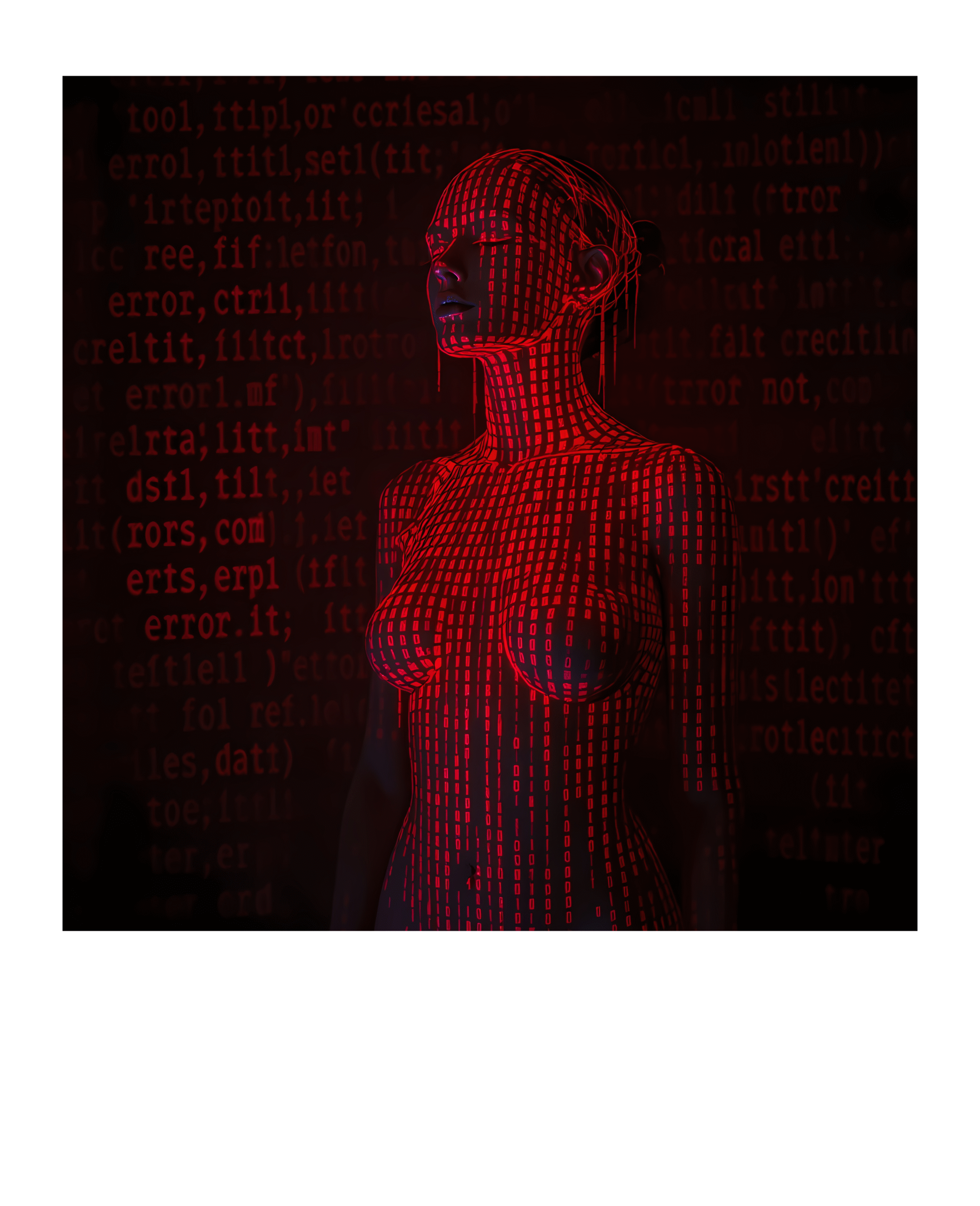
Censorship rarely announces itself with sirens. It slides in as “brand safety,” “community standards,” “age appropriate.” Harmless labels—until you’re on the wrong side of them.
Look at the rules closely and you’ll see values baked into syntax:
- Female nipples are banned; male nipples are fine. (That’s not biology—it’s history.)
- Educational anatomy gets flagged; sexualized advertising doesn’t. (That’s not safety—it’s sales.)
- Diverse bodies are removed more often by automated systems. (That’s not a glitch—it’s training data.)
This is what I mean by discomfort in code. We like to believe that software is neutral, but every threshold reflects a choice: which harm we fear most, which gaze we privilege, which bodies we tolerate in public.
Could we write different rules? Absolutely.
We could prioritize context over surface area.
We could give creators an appeals process that isn’t a black hole.
We could let verified educators and artists publish without dodging euphemisms.
Until then, here’s the loop: cover, crop, euphemize—and wonder why curiosity turns to obsession. When everything natural is hidden, everything natural becomes a hunt.
Code didn’t invent shame. It just scaled it.