
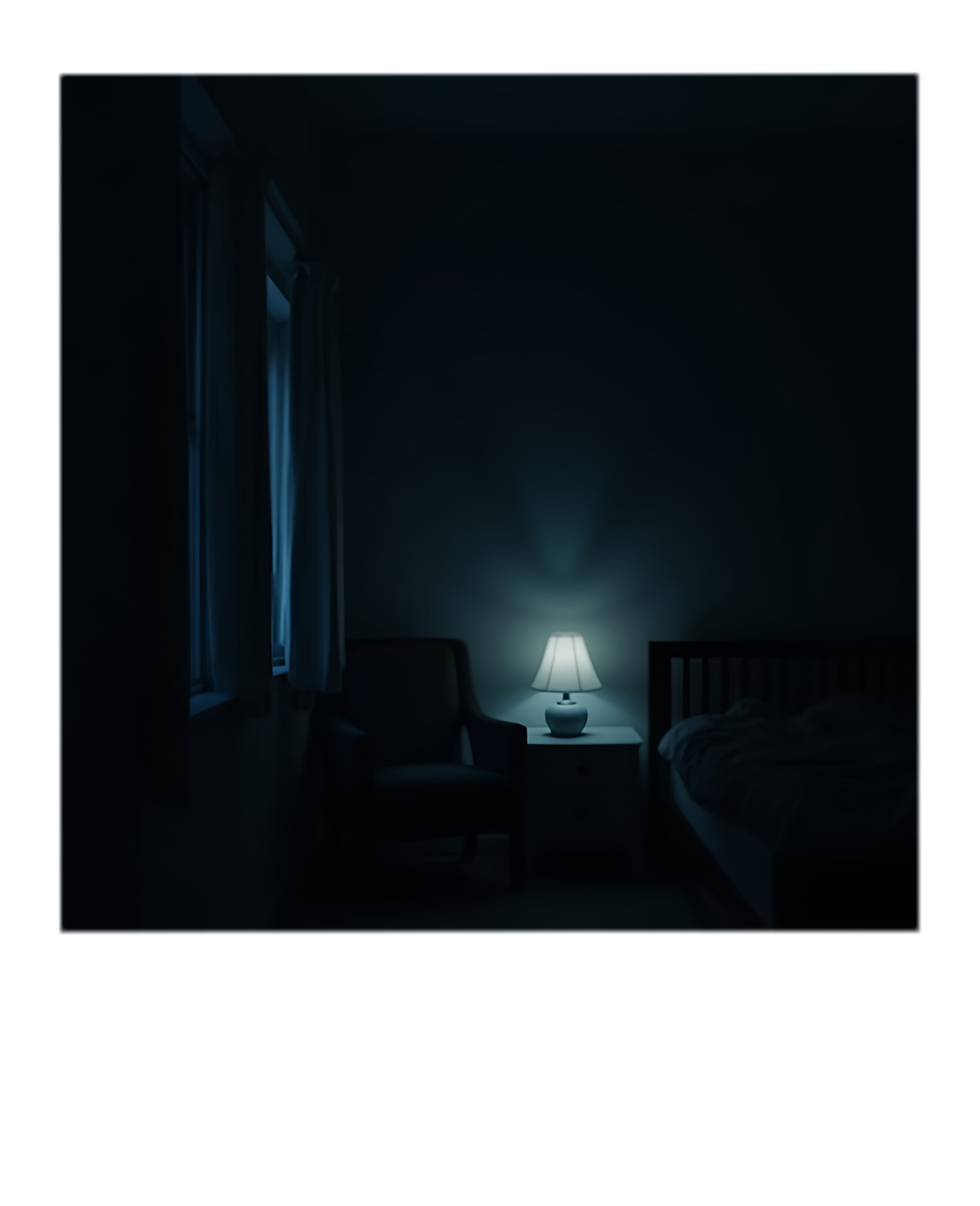
There was a moment when curiosity stopped circling quietly and found a word for itself.
It wasn’t a confession.
It wasn’t even intentional.
It was just a search.
Typed carefully. Sometimes misspelled. Sometimes erased and typed again. A word that felt risky to write but harmless to wonder about. Naked.
For many of us, this was the first time curiosity reached outward instead of inward. Not toward a person, not toward a conversation, but toward a screen that promised answers without reaction.
And it responded immediately.
Pages of images. Suggestions. Links that led to more links. It felt like discovery — like finally finding a language for questions we didn’t know how to ask out loud.
What we didn’t see was the framing happening underneath.
The algorithm didn’t ask why we were searching. It didn’t know our age, our context, or our uncertainty. It simply delivered what held attention best, not what explained anything clearly. Curiosity wasn’t met with guidance — it was met with momentum.
Still, it felt educational.
Because something finally answered back.
We weren’t being taught.
We were being sorted.
Ranked by relevance. Pulled toward repetition. Shown what others had clicked on before us, as if popularity meant truth. As if visibility meant accuracy.
This wasn’t corruption.
It was access without orientation.
The first time we googled “naked,” curiosity didn’t become dangerous. It became directed — shaped quietly by systems that never needed to know who we were or why we were asking.
And once curiosity learned where answers appeared fastest, it didn’t stop wondering — it just stopped waiting for someone to explain.