
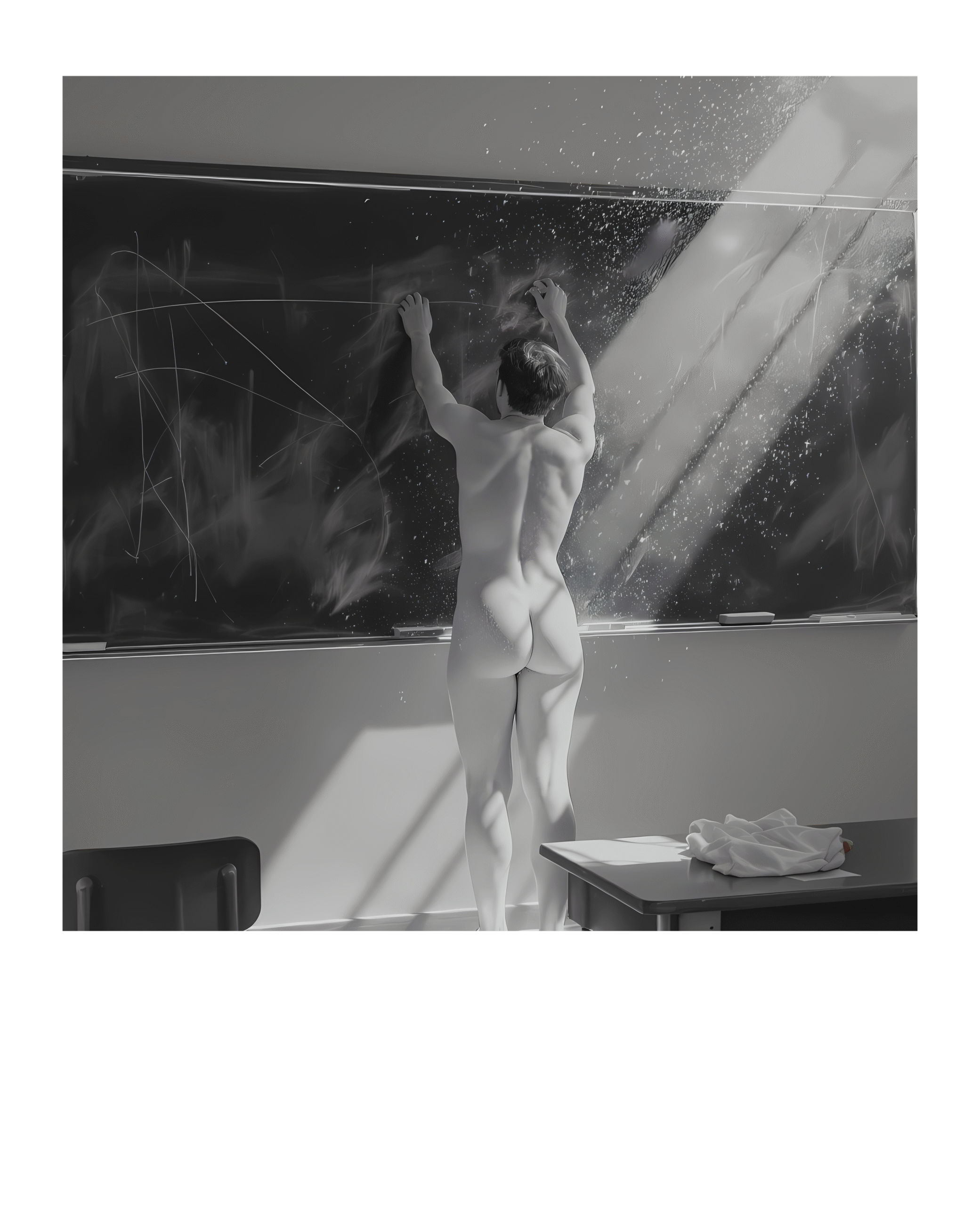
Puberty is often described in biological terms. Hormones. Cycles. Physical changes. Hair in new places. Voices deepening. Breasts developing. Erections. Menstruation. Growth spurts.
But for many of us, those changes didn’t come with context. They came with questions—and silence.
You might’ve gotten a pamphlet. A cartoon video. Maybe a health class where someone pointed at a diagram and said, “This is your reproductive system.”
But no one sat with you and said:
“Here’s how it might feel when you cry and don’t know why.”
“Here’s why it’s okay to feel weird, or ugly, or like a stranger in your own skin.”
“Here’s what it means to carry both confusion and curiosity at once.”
Your voice cracked. Your chest ached. Your armpits smelled different.
You learned to hide pads in your sleeve.
To laugh off a first erection.
To stare into mirrors wondering if you were weird—or behind—or too early.
We had names for the parts. We had charts for the cycles. But we didn’t have the lesson that told us how to feel inside a changing body.
That wasn’t education. That was omission.
And without that lesson, many of us learned to fear the one thing we couldn’t escape: ourselves.