
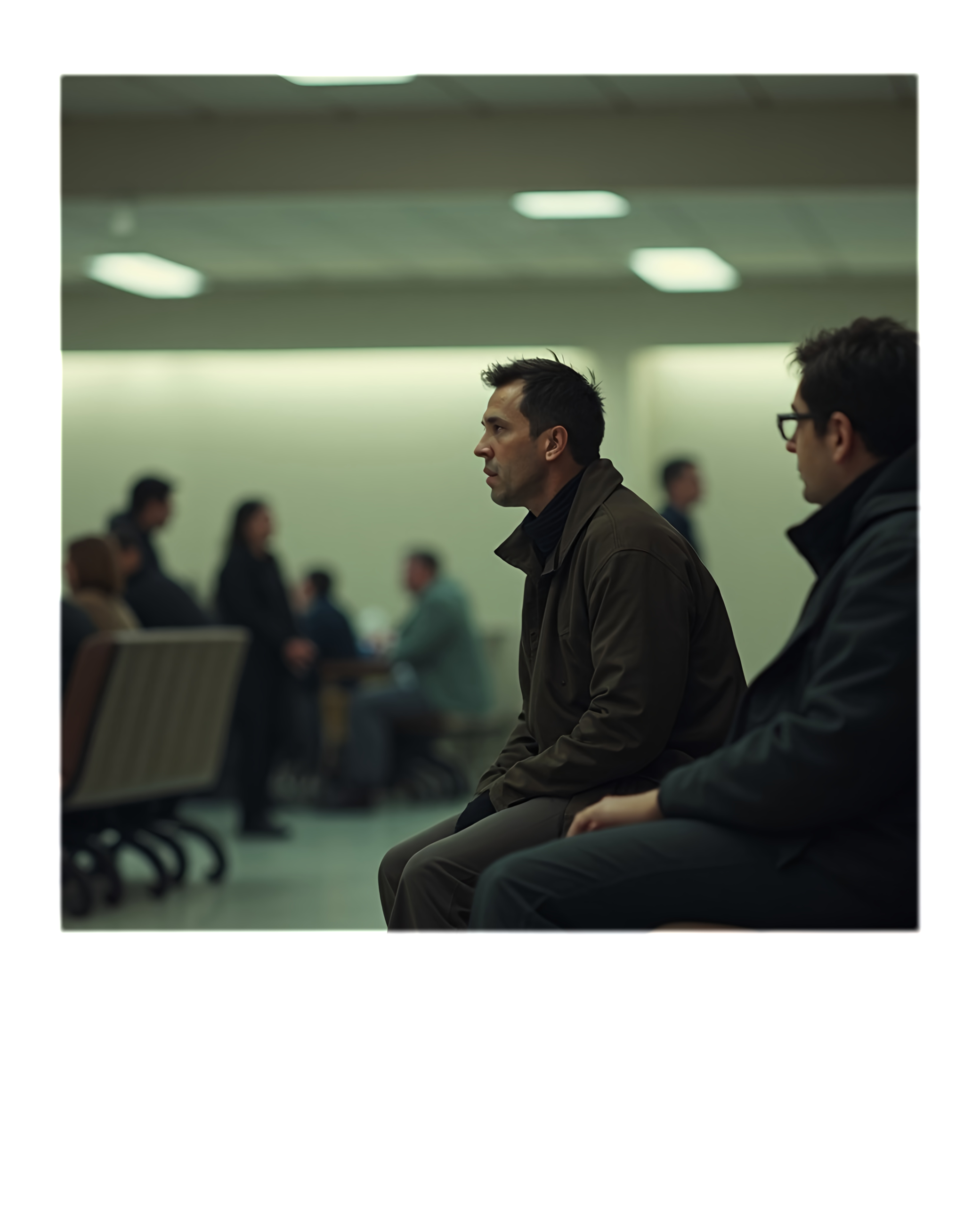
There’s a moment when curiosity changes shape.
At first, it asks. It leans forward. It wonders. It’s a little clumsy, a little exposed, but honest. Then, somewhere along the way, asking starts to feel risky—too revealing, too personal—so curiosity adapts. It stops asking out loud and starts watching quietly instead.
The shift is subtle. Most people don’t notice it happening. But you can feel it when it does. The body leans back. The eyes linger longer than the mouth ever would. Attention stays active, but participation slowly retreats.
Curiosity becomes safer that way.
It also becomes heavier.
Watching asks less of you than asking ever did. You don’t risk being wrong in public. You don’t have to reveal what you don’t know. You don’t have to explain yourself. You can observe indefinitely and still feel informed—still feel involved—still feel like you’re learning something.
But something changes in that exchange.
When curiosity turns inward like this, it doesn’t vanish. It sharpens. Watching becomes more focused. People start noticing details—patterns, reactions, small shifts in posture or tone. Who looks away. Who stiffens. Who laughs when nothing is funny.
It can feel perceptive. Sometimes it is.
But without the balance of asking, watching slowly drifts into interpretation. Interpretation settles into assumption. And assumption begins to feel like understanding, even when it isn’t.
This is usually where judgment enters—not loudly, not dramatically—but quietly, wearing the language of insight instead of opinion.
“I can tell.”
“It’s obvious.”
“You can see it in how they react.”
Sometimes that’s true. Often, it’s incomplete.
Stories—especially films and television—make this easy to notice. Characters stop asking questions once they believe they’ve figured someone out. Dialogue thins out. The camera lingers where conversation once lived. Silence replaces curiosity, and watching becomes a stand-in for knowing.
Audiences are trained right along with them.
We’re encouraged to feel clever for noticing, for predicting, for reading between the lines. But we’re rarely invited to notice what’s lost when curiosity stops risking itself through questions.
Because asking still requires something watching doesn’t.
It requires a willingness to be changed by the answer.
Watching can be controlled. Asking cannot.
When curiosity stays unspoken for too long, it begins to harden. It stops wondering and starts concluding. The mind fills in gaps quickly—not out of malice, but because uncertainty is uncomfortable. Interpretation feels better than not knowing.
This is where projection quietly starts to masquerade as perception.
What we think we’re seeing is often shaped by what we’re prepared to see. Expectations edit the scene before we realize it’s happening. Context gets filled in with familiar patterns. Behavior is framed before it’s understood. And because no question was asked, there’s nothing to correct—only something to reinforce.
None of this is intentional.
It’s efficient.
It’s protective.
It’s human.
But it does mean that curiosity, once it stops asking, rarely stays neutral.
There’s nothing wrong with watching. Observation is often where understanding begins. But curiosity wasn’t meant to live entirely in silence. When it does, it starts carrying more weight than it was designed for.
The distance between noticing and knowing is often just one unasked question.
And sometimes the most revealing thing isn’t what people do while being watched—but how different the moment feels when someone finally asks.