
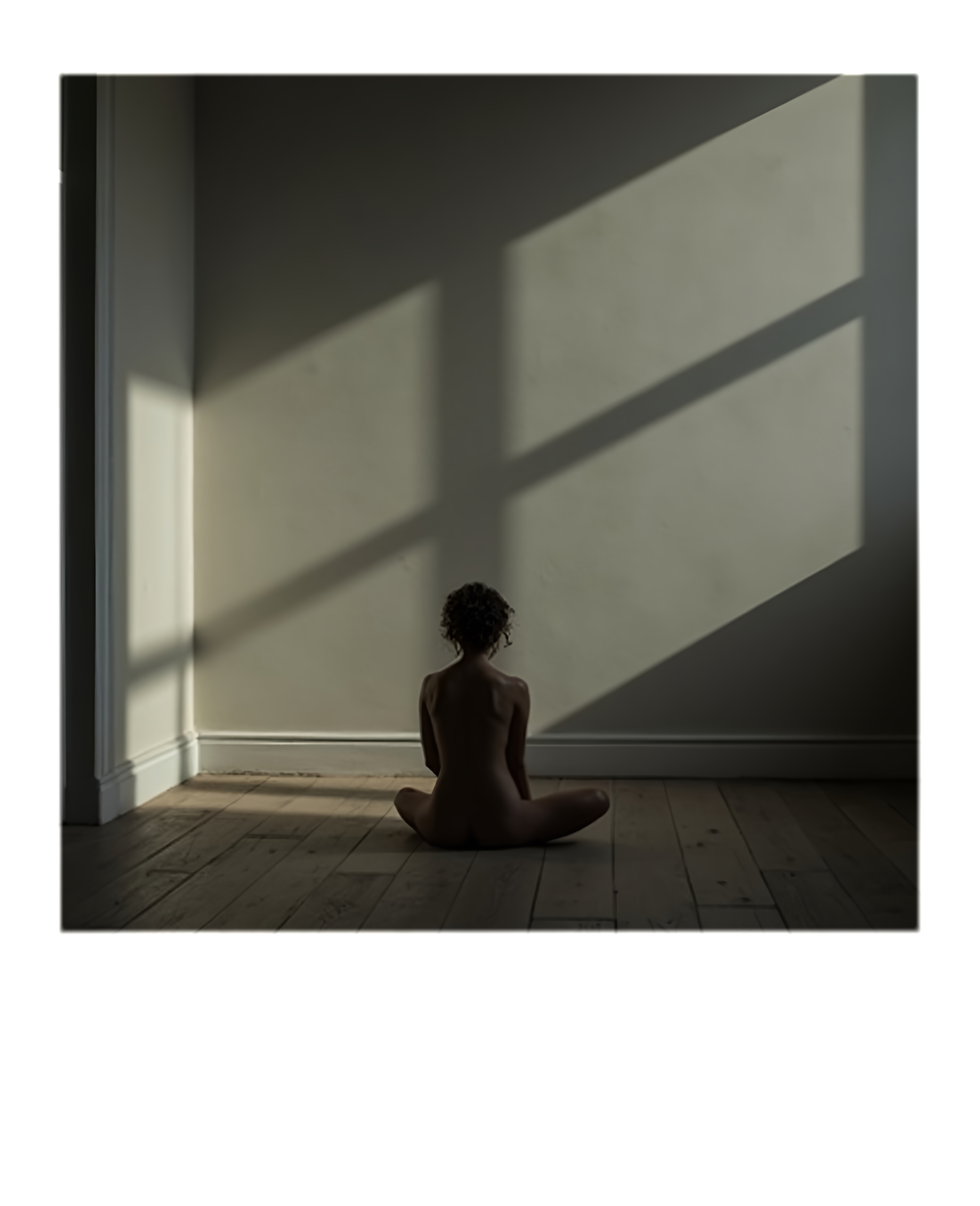
For many of us, religion didn’t arrive at the beginning of curiosity.
It arrived after.
After the first questions.
After the first images.
After desire already existed without language or guidance.
And when it finally spoke, it didn’t ask what we had seen or what we had felt. It named something instead.
Sin.
The word carried weight long before it carried meaning. It arrived already heavy, already certain, already positioned as an answer rather than an invitation to understand. Curiosity was no longer just confusing — it was dangerous. Desire was no longer neutral — it was suspect.
What made this especially disorienting was the timing.
Religion didn’t step in to guide curiosity before exposure. It stepped in to judge it afterward. And so the body was left holding two incompatible messages at once: one that encouraged looking, and another that punished having looked.
Sex had already been framed through access.
Now it was reframed through morality.
For many people, this wasn’t about faith itself. It was about shortcuts. Rules without conversations. Modesty without explanation. The body became something to manage rather than understand, something to discipline rather than listen to.
And yet, the framing often felt impersonal. The same rules applied regardless of age, intent, or experience. Desire wasn’t differentiated. Context didn’t matter. The body was simply assumed to be a problem that needed correcting.
This didn’t stop curiosity.
It redirected it.
Questions didn’t disappear — they went underground. Desire didn’t resolve — it fractured. Shame became the bridge between what was felt and what was allowed to be spoken.
This short essay isn’t about arguing theology or rejecting belief.
It’s about noticing what happens when morality enters the conversation too late — not as guidance, but as verdict.
When religion called it sin, many of us weren’t taught how to live with our bodies. We were taught how to doubt them.
And doubt, once introduced, has a way of staying long after the rules that created it begin to soften.