
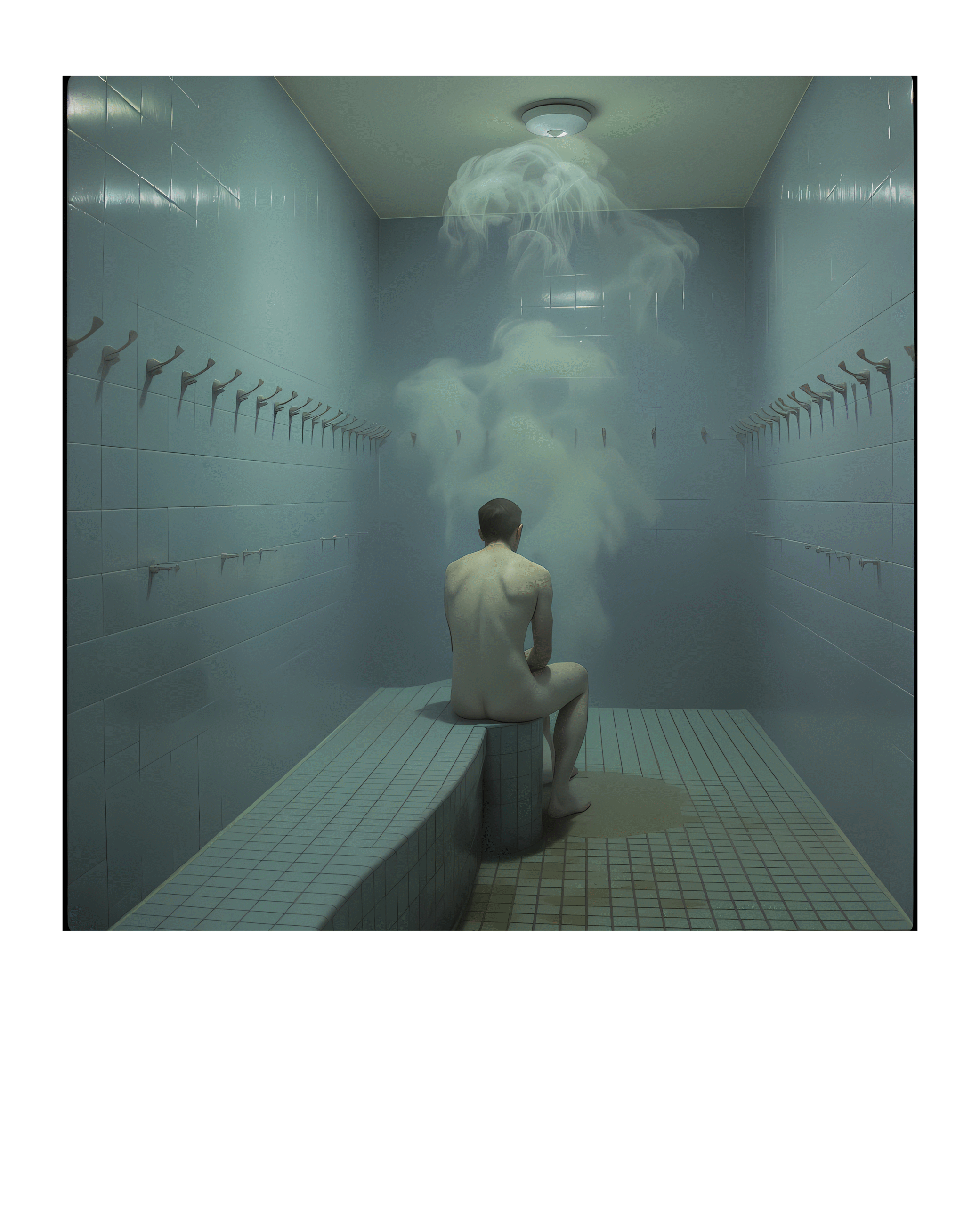
Our grandparents grew up with a kind of casual togetherness we barely recognize: scrub rooms after gym class, public baths by the train station, sun terraces where bodies were weather, not spectacle. It wasn’t utopia. It was routine.
Two forces pushed it out of view. First, architecture: privacy sold as luxury, walls as status. Second, anxiety: advertising and shame cultures teaching us our bodies were projects to manage, not places to live.
As communal spaces vanished, comparison didn’t. It moved to screens. We stopped seeing real bodies and started measuring ourselves against edited ones. The result? More self” consciousness, less connection.
Communal nudity didn’t disappear because it was wrong. It disappeared because it was unprofitable and hard to control. You can’t sell solutions to people who aren’t convinced they’re problems.
But pockets remain—saunas, hot springs, naturist beaches—quiet reminders that presence can be ordinary again. The question isn’t “Was it appropriate?” It’s “What did we lose when it left?”