
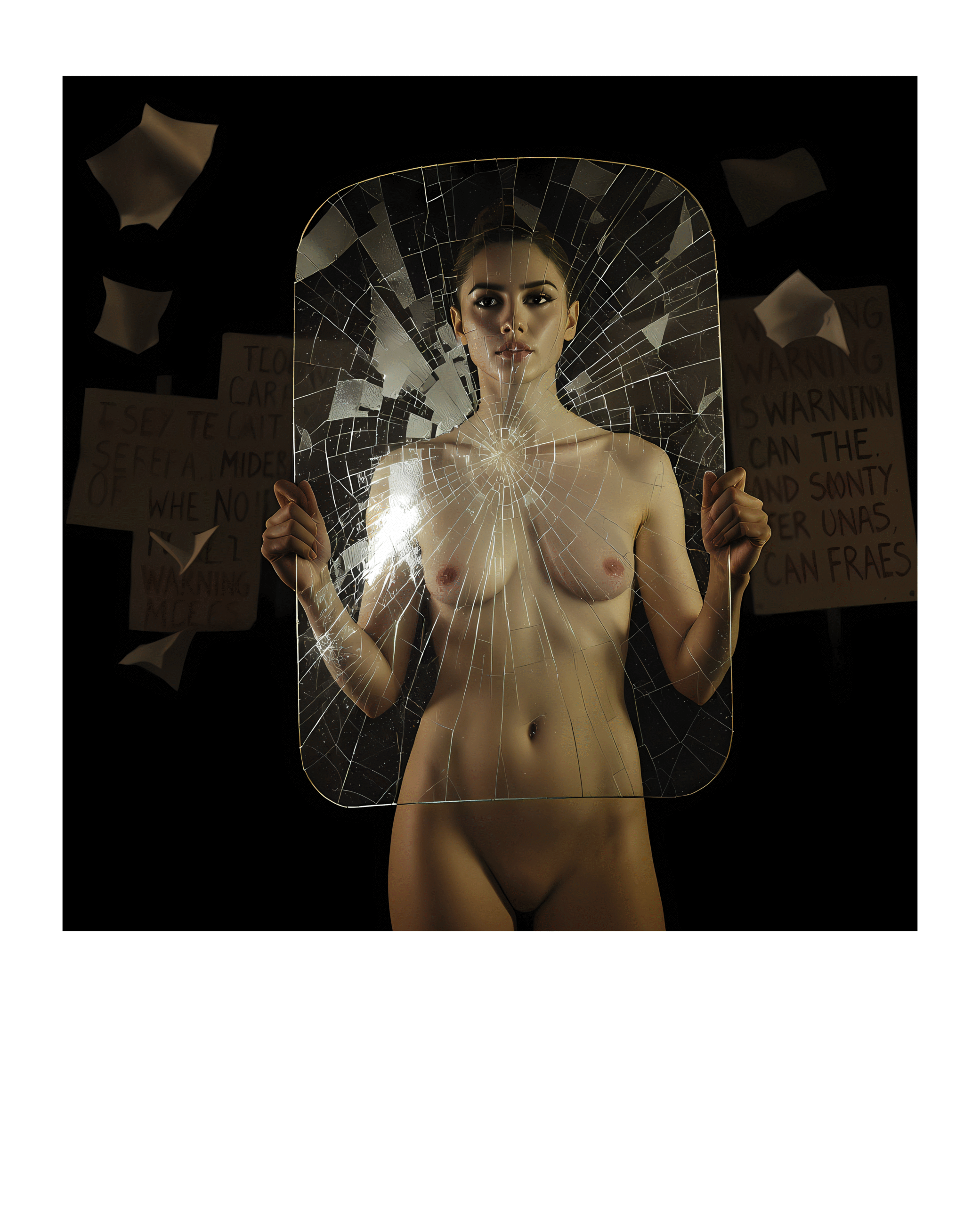
We pretend censorship is a shield. Most days it’s a spotlight.
Hide a body and you create an event. Demand secrecy and you create a market. That’s how black” market content explodes while educational posts get buried. The signal we send is simple: honest nudity is suspicious; performative nudity is profitable.
Consider three patterns:
- Scarcity turns presence into contraband. What’s normal in a sauna becomes “exclusive content” online.
- Ambiguity fuels engagement. The more we blur, the more people lean in—then click the first link that promises not to.
- Shame breaks consent. When people are taught that being seen is dangerous, curiosity moves to spaces where boundaries are easier to ignore.
Censorship didn’t make anyone safer; it just taught us to look sideways. We learned to chase suggestion over context, shock over honesty. And the platforms benefit—controversy drives time-on-site.
So what would real safety look like?
Transparent policies. “Age” appropriate lanes. Space for art, education, and non” sexual presence to exist without disguise. A culture where “nude” doesn’t automatically mean “for you.”
Redirect attention toward consent and intention, and the appetite for surveillance starts to starve. Until then, we’re not reducing harm. We’re producing it.