
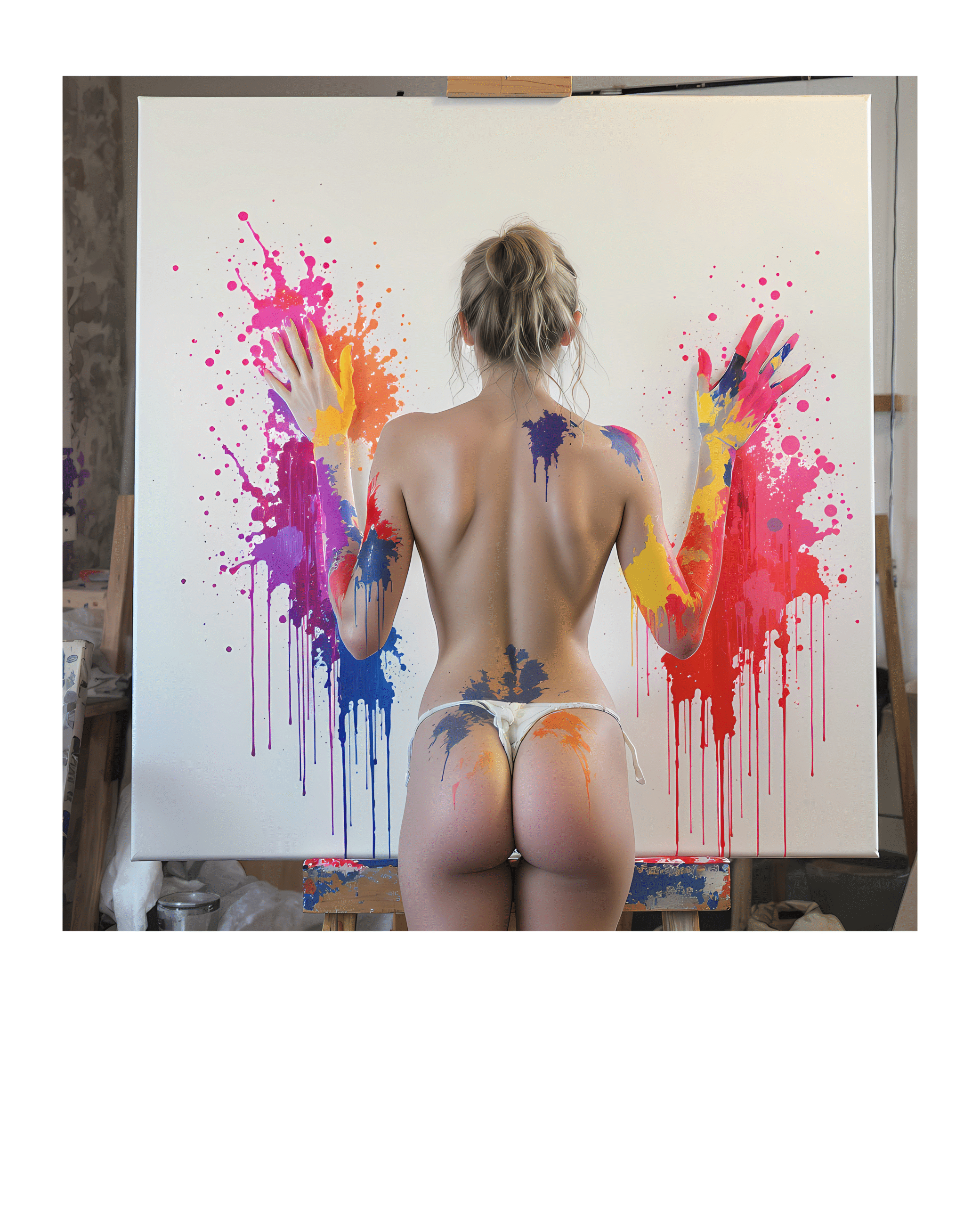
We’ve been trained to center our gaze—
“If I see skin, it must be for me.”
But intent lives with the person in the frame,
not in the person holding the phone.
A painter’s model standing still for an hour—context.
A breastfeeding mother on a park bench—context.
A naturist on a forest trail—context.
A body used in protest to say “look at the law, not at me”—context.
Swap any of those scenes into a feed,
and the algorithm flattens them to “exposure.”
That’s not clarity. That’s laziness.
Try a different checklist:
- Whose purpose is this serving? (art, care, comfort, dissent)
- Where is it happening? (studio, home, designated space)
- What consent exists? (implied by setting, explicit by agreement)
- What’s my role? (witness, supporter, passerby—not consumer)
When we stop assuming every body is a performance for our attention,
nudity becomes legible again—
not a provocation, just a presence with a purpose.
And sometimes the most respectful response is simple:
Notice. Understand. Move on.