
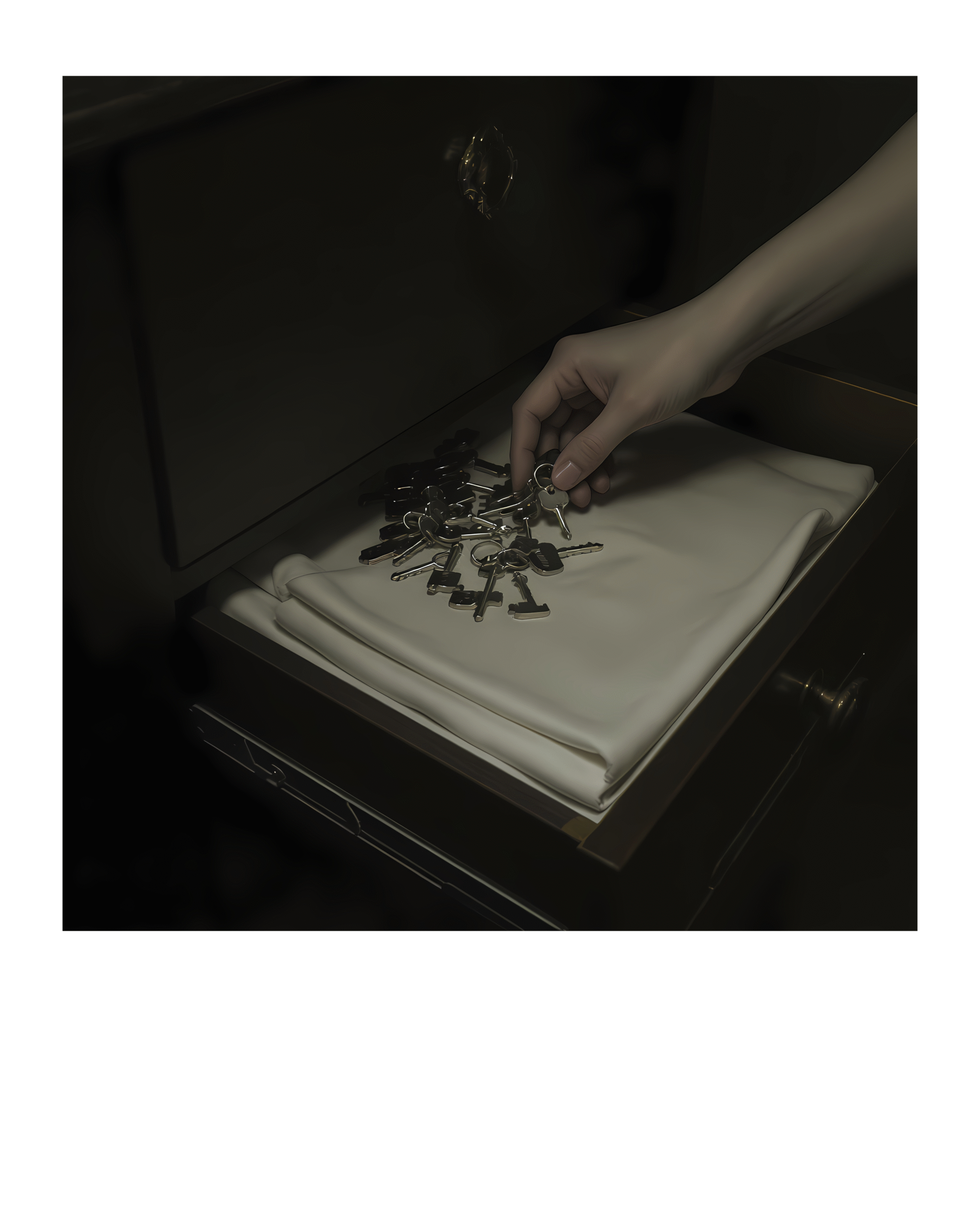
But the human brain is a meaning machine.
What we don’t see, we imagine.
What we imagine, we inflate.
And what we inflate… we usually sexualize.
Cover the body in every public space,
only let it appear in advertising or porn,
and the message is clear:
this is forbidden unless it’s for purchase.
So the everyday body—the stretching, laughing, sun-warmed body—
disappears. In its place, we get extremes:
hypersexual billboards and total silence.
And a perfectly ordinary moment—changing after a swim, nursing a child, rinsing sand from hair—gets recoded as “suggestive.” The body hasn’t changed. Our framing has.
Dress codes teach the lesson early: certain shoulders are “distracting,” certain legs “send a message.”
Platforms teach it daily: an image is fine when it sells a product, dangerous when it sells nothing at all.
Cover, crop, censor—then act surprised when curiosity grows teeth.
Blur it. Ban it. Whisper about it.
Then we call the body “dangerous.”
But it isn’t danger we’re reacting to.
It’s deprivation.
Normalize non-sexual nudity and the charge drops.
Saunas, beaches, figure drawing, nursing in the park—
contexts that say: present, not perform.
Curiosity softens when there’s nothing to chase.
If you want less fixation, offer more reality.
Let the body be seen doing human things,
not just sold doing cinematic ones.
Because secrecy doesn’t make nudity sacred.
It makes it scarce—and scarcity breeds obsession.