
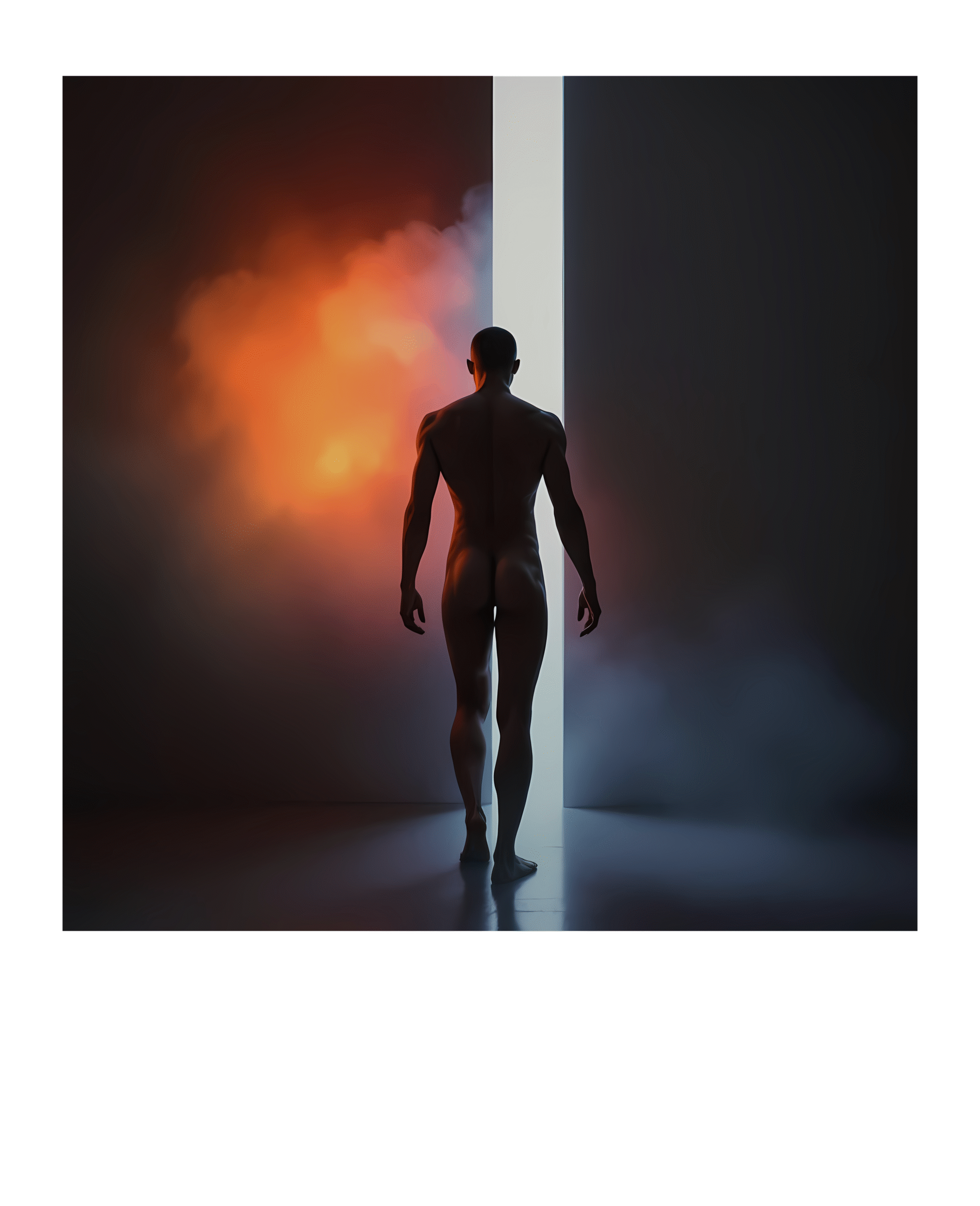
There’s a strange rhythm to nudism that outsiders rarely notice.
On the one hand, we crave visibility. We join forums, post on Reddit, share photos on TrueNudist, even swap nudes with trusted friends. Not clothed pictures—those feel redundant—but naked ones, because that’s the point. That’s who we are.
And yet, step outside the bubble, and the story shifts. A quick walk to the car, a short sunbath in the yard, or a naked drive down the freeway suddenly feels like trespassing. Not because the body changed, but because the context did.
It’s a contradiction baked into the culture:
- To be seen, but not objectified.
- To be recognized, but not consumed.
- To be natural, but never mistaken for sexual bait.
That fine line is where nudism both thrives and struggles. Because when nudity is taken out of context, it’s almost always recoded as desire.
We’re told, implicitly, that “good nudity” is confined to art, beaches, or locker rooms. And “bad nudity” is everything else—too raw, too honest, too uncontrolled. Yet in practice, nudists live both at once. We want our friends to see us, to know us, but not to turn that glance into a leer.
This paradox might not have a clean resolution. Maybe it isn’t meant to. Maybe the tension itself is what keeps nudism alive—not as a solved question, but as an ongoing challenge to how society thinks about bodies.
Next week, we’ll go deeper: why nudism so often brushes against sexuality, even when sex isn’t the goal.