
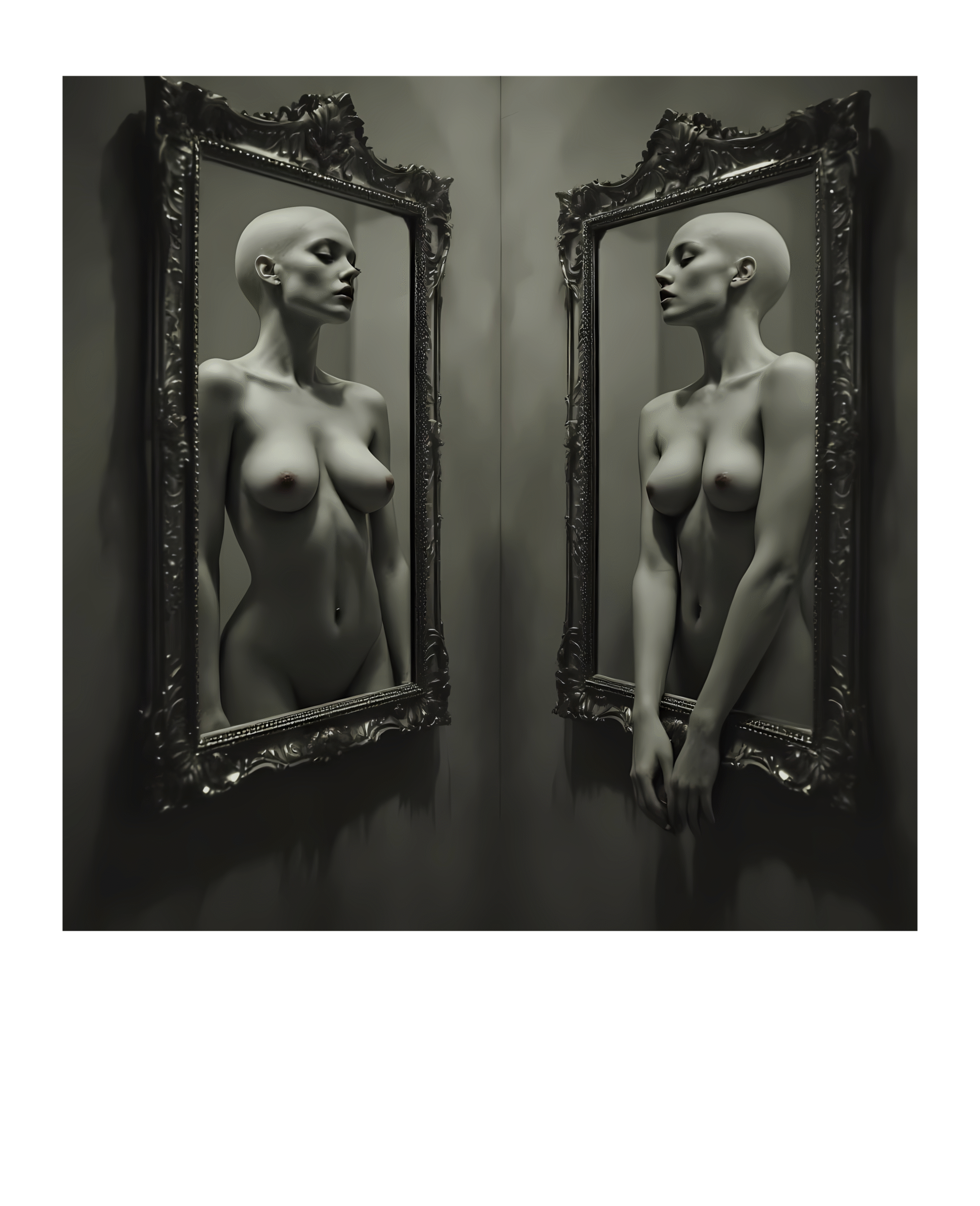
Ask any nudist, and they’ll tell you: nudism isn’t about sex.
It’s about comfort, freedom, authenticity.
And yet—place a group of naked people in a room, and for outsiders, the assumption is instant: this must be sexual. Sometimes, even within nudist circles, the line slips. A swim turns flirtatious. A beach trip brushes against desire.
So why does nudity lean so easily toward sexuality, even when that isn’t the intention?
Part of it comes down to conditioning. We’ve been taught that nudity is either:
- Private (and therefore intimate), or
- Sexual (and therefore taboo).
There’s little room for “ordinary nudity” in this binary.
So when the body appears unclothed, the default script kicks in: this must mean sex.
But nudists resist that script. We insist that the body can exist outside the binary. That nakedness doesn’t always need to accelerate into desire. That seeing doesn’t have to mean consuming.
And still—the paradox lingers. Because sexual energy does exist, and nudists aren’t immune to it. Sharing space unclothed can spark intimacy, curiosity, attraction. Pretending otherwise does nudism no favors.
Maybe the answer isn’t to deny the overlap, but to admit it. To say: yes, nudity and sexuality can coexist—but they aren’t synonyms. Nudity can lead to sex, but it doesn’t have to. And in that space of choice is where freedom lives.
Next week, we’ll close this arc by asking: why do nudists want to be seen at all, if privacy would be simpler? What’s the deeper drive behind exposure?