
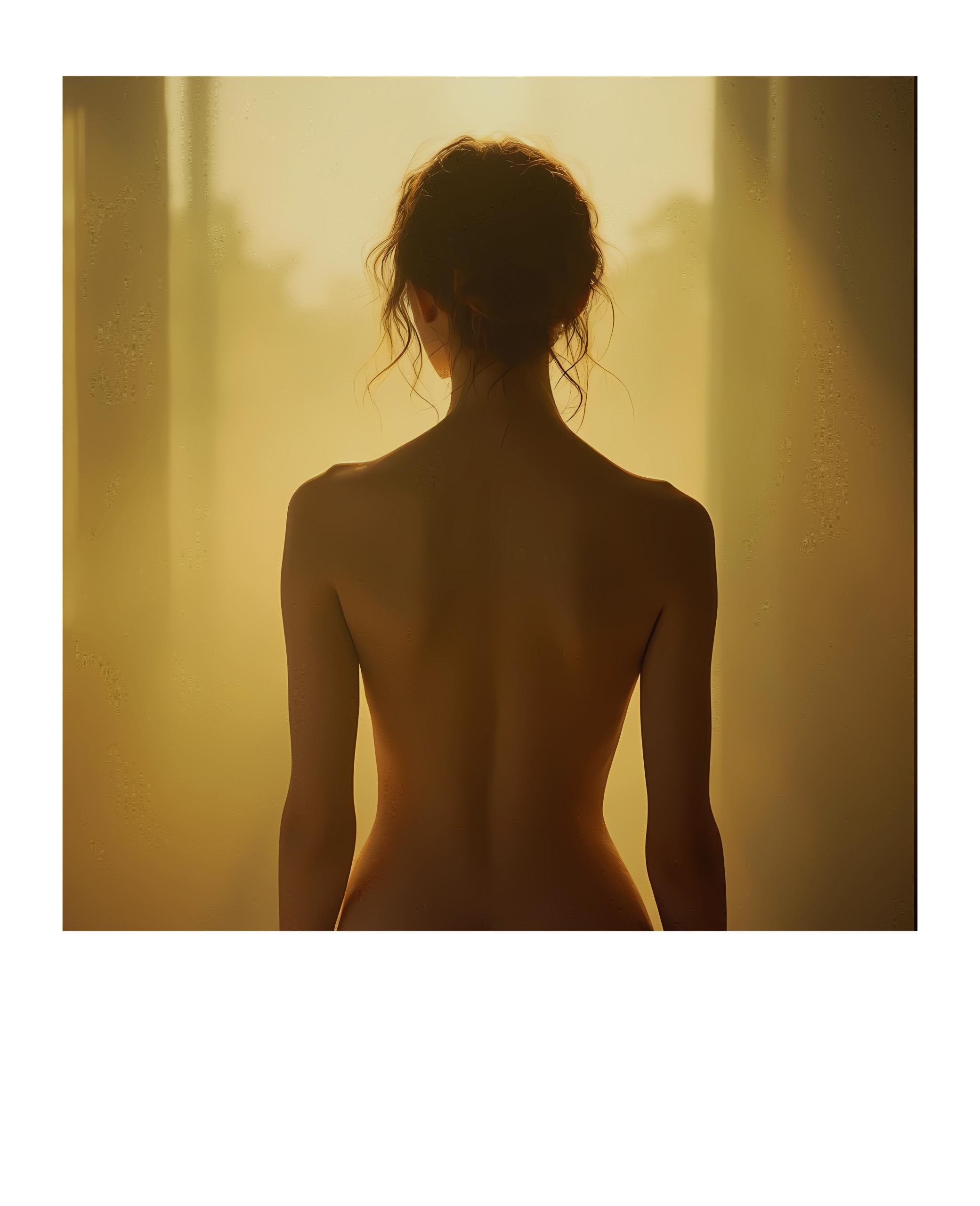
There’s a strange lesson society keeps teaching: that the body itself is dangerous, and the solution is to hide it. But the more we hide, the louder the silence becomes. The body doesn’t stop existing just because it’s out of sight—it becomes the subject of whispers, jokes, suspicions, and rules.
Think about it: school dress codes don’t just cover skin, they tell kids which parts of their bodies are considered distracting. Platforms censor nipples but leave violence untouched, as though a body is more dangerous than a weapon. Even in personal life, we learn early that to be “good” is to be hidden, and to be visible is to risk shame.
And yet, that very tension—the push to cover and the curiosity it creates—fuels an entire cycle of obsession. People think they’re fighting indecency, but in reality, they’re amplifying it. What’s hidden becomes exotic. What’s censored becomes irresistible. The more boundaries we draw, the more energy gets poured into imagining what lies beyond them.
History shows us this pattern again and again: prohibition breeds desire. When alcohol was banned, speakeasies flourished. When books are banned, they climb bestseller lists. And when nudity is censored, the human body turns into contraband—something to be smuggled, clicked, and secretly consumed.
Maybe the real danger isn’t nudity at all, but the way we’ve been conditioned to treat it like a forbidden fruit. Because once something is labeled “off limits,” the craving to reach for it only grows stronger.