
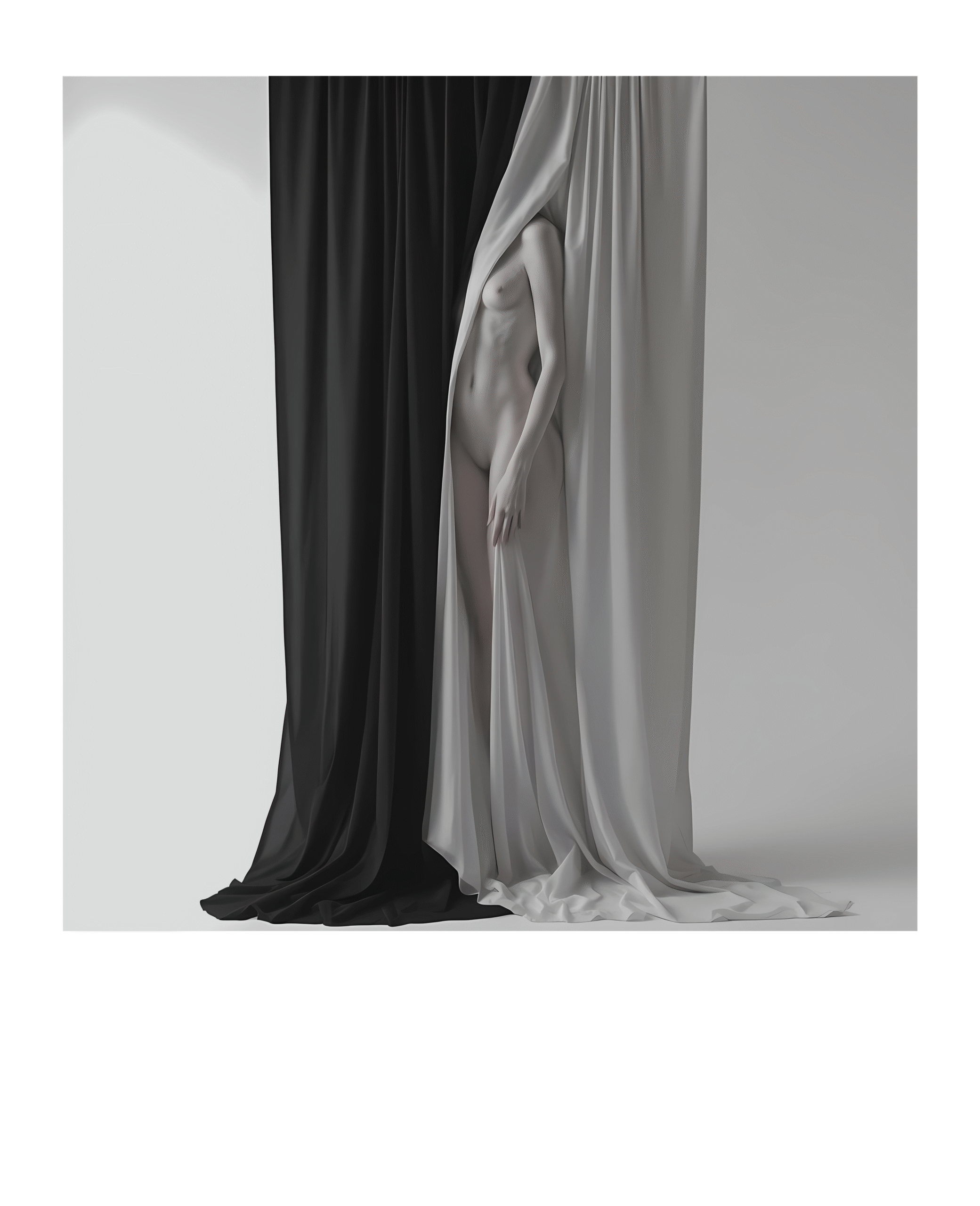
If nudism is about comfort, why share it at all?
Why post on forums, join clubs, attend beaches—or even send photos to friends?
Because at its core, nudism isn’t just about being without clothes.
It’s about being without disguise.
In a clothed world, identity gets built from fabric. We signal wealth, status, belonging through what we wear. A nudist says: strip that away, and you’ll see me as I am.
But here’s the paradox: nudists don’t just want to be naked in private. We want to be seen naked, publicly, socially, culturally. To be witnessed in authenticity.
That desire can make people uncomfortable. “Why do you need me to look at you naked?” they ask. But it’s no different than a fashion lover wanting their outfit noticed, or an athlete wanting their body’s strength admired. It’s about recognition.
And recognition is a form of trust. To be seen unclothed without being reduced to an object—that’s the highest proof of acceptance.
The danger, of course, is that not everyone looks with respect. Curiosity can sharpen into consumption. That’s why nudists live in this tension: craving visibility but fearing objectification. Wanting the gaze, but on our own terms.
Yet beneath this longing for authenticity lurks another paradox we can’t ignore. What happens when nudity is idle—when nothing “happens”? For many, the stillness itself feels charged, as though the absence of action must eventually invite temptation. That’s where performance creeps in: porn, desire, fantasy. If nudity is presence, then why do we fear it will always become sex?
That tension—the sexual nature of nudity—might be the sharpest paradox yet.